Decision hub
Dubai desert safari comparisons, pick the right format
Nine side-by-side comparisons across format, location, and emirate, with the AED numbers and the trade-offs that decide between two Dubai desert safaris on one page.
What this hub indexes
Nine comparisons across format, location, and emirate
- 9
- side-by-side comparisons
- Format, location, emirate
- AED 149 to 15,000
- spread across every package
- Standard floor to multi-day Liwa
- 3 × 5
- dune systems × formats
- Lahbab, Al Marmoom, DDCR
- < 10 min
- WhatsApp package routing
- Editorial desk reply window
Format
Compare the four format questions first-timers ask
Four format questions cover most first-timer routing. The morning or evening decision, the overnight upgrade question, the private-vehicle math, and the luxury package's cost breakdown against the standard floor.
Morning vs Evening Desert Safari
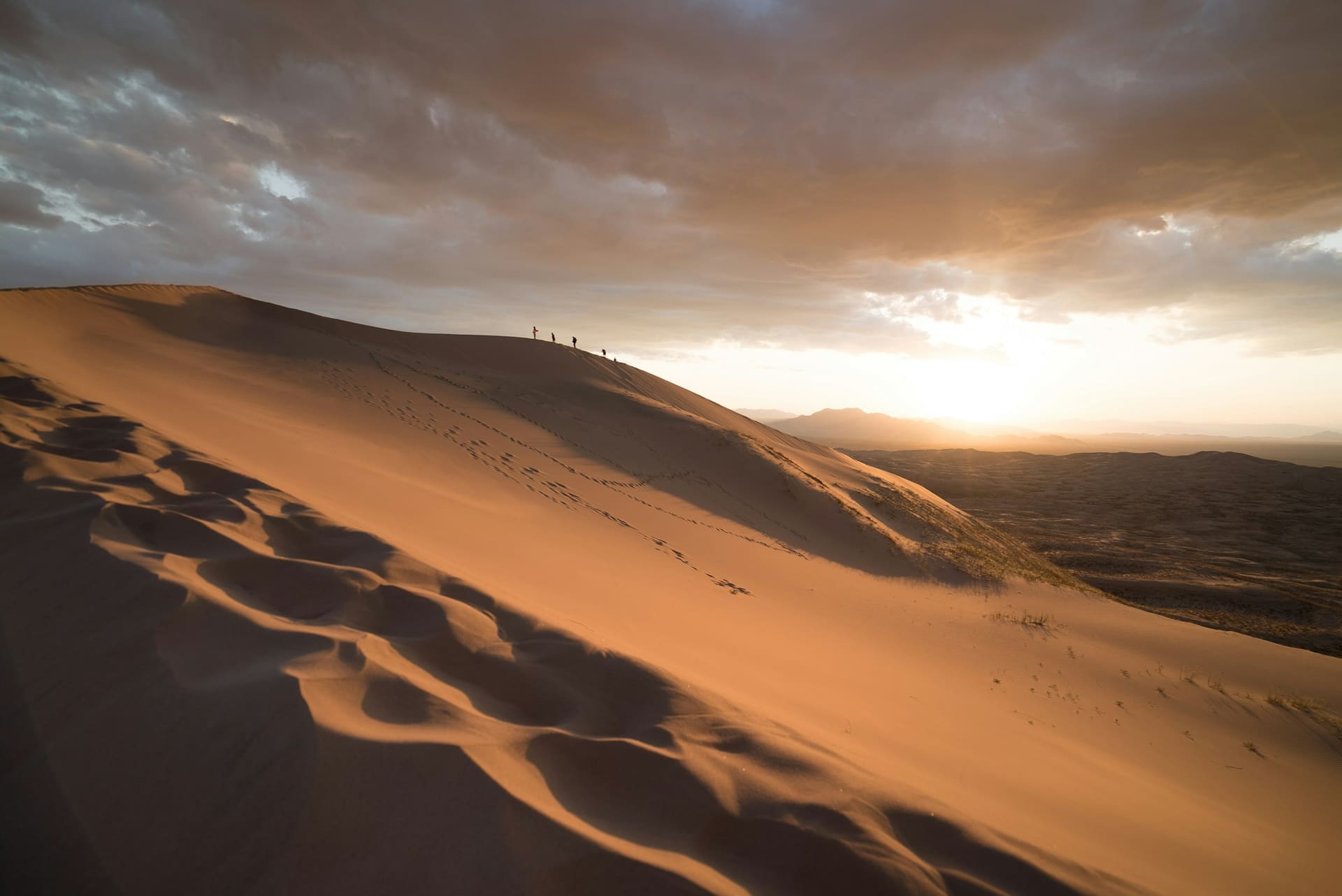
Evening wins for first-timers because it bundles sunset, BBQ dinner, and the cultural lineup. Morning wins for seven specific scenarios, pregnancy, photographers, short stays, motion-sensitive guests, summer heat windows.
Read the comparison
Evening vs Overnight Desert Safari
The price gap between the AED 149 standard evening and the overnight package buys the sukkat tent, the stargazing window, the sunrise camel walk, and a plated desert breakfast on the dune.
Read the comparison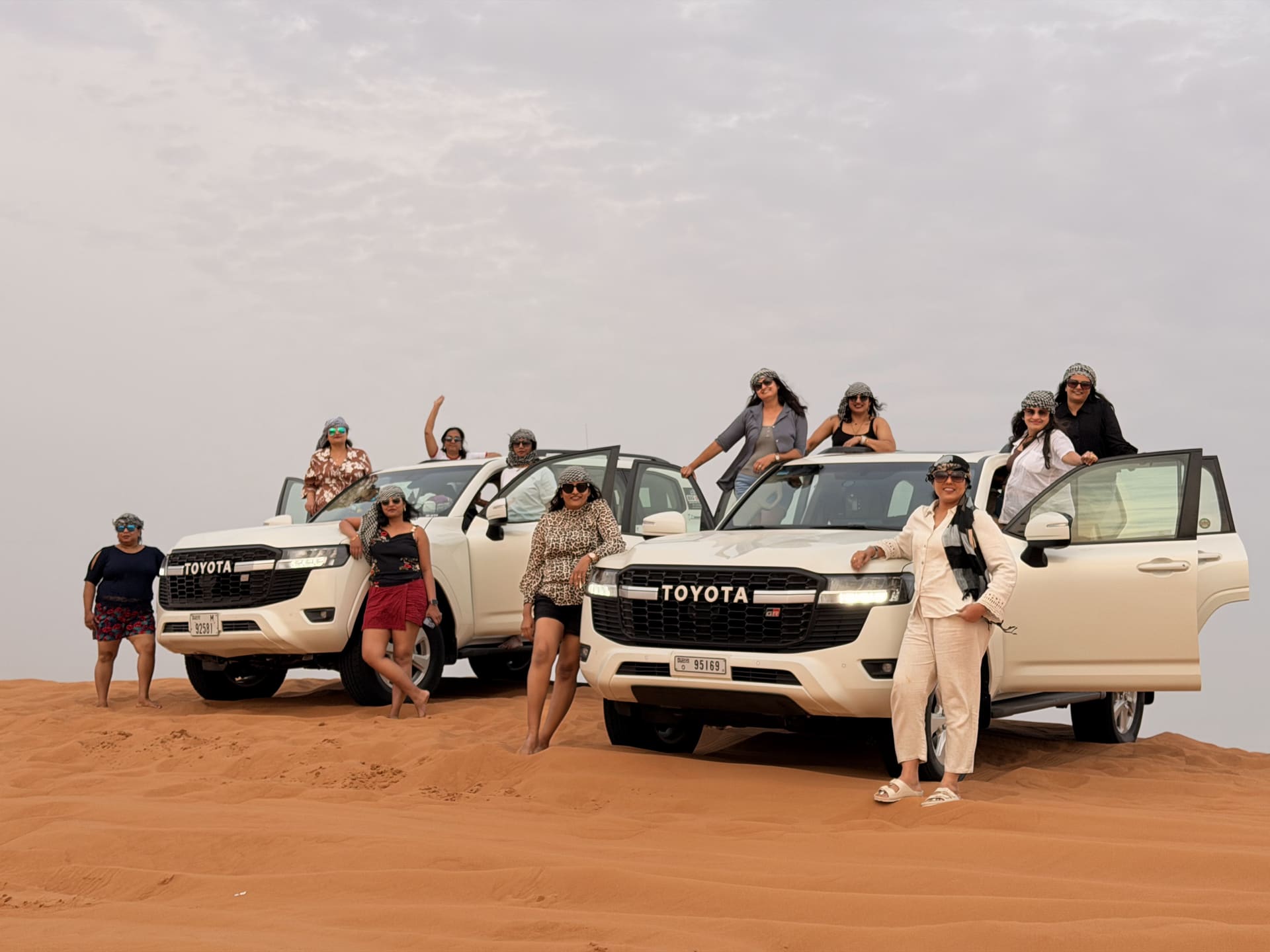
Private vs Shared Safari
Break-even sits at exactly six travellers, a full vehicle. Below that, the shared AED 199 package wins on math; the private Land Cruiser charter from AED 1,194 wins on rhythm, pace, and pickup convenience at any size.
Read the comparison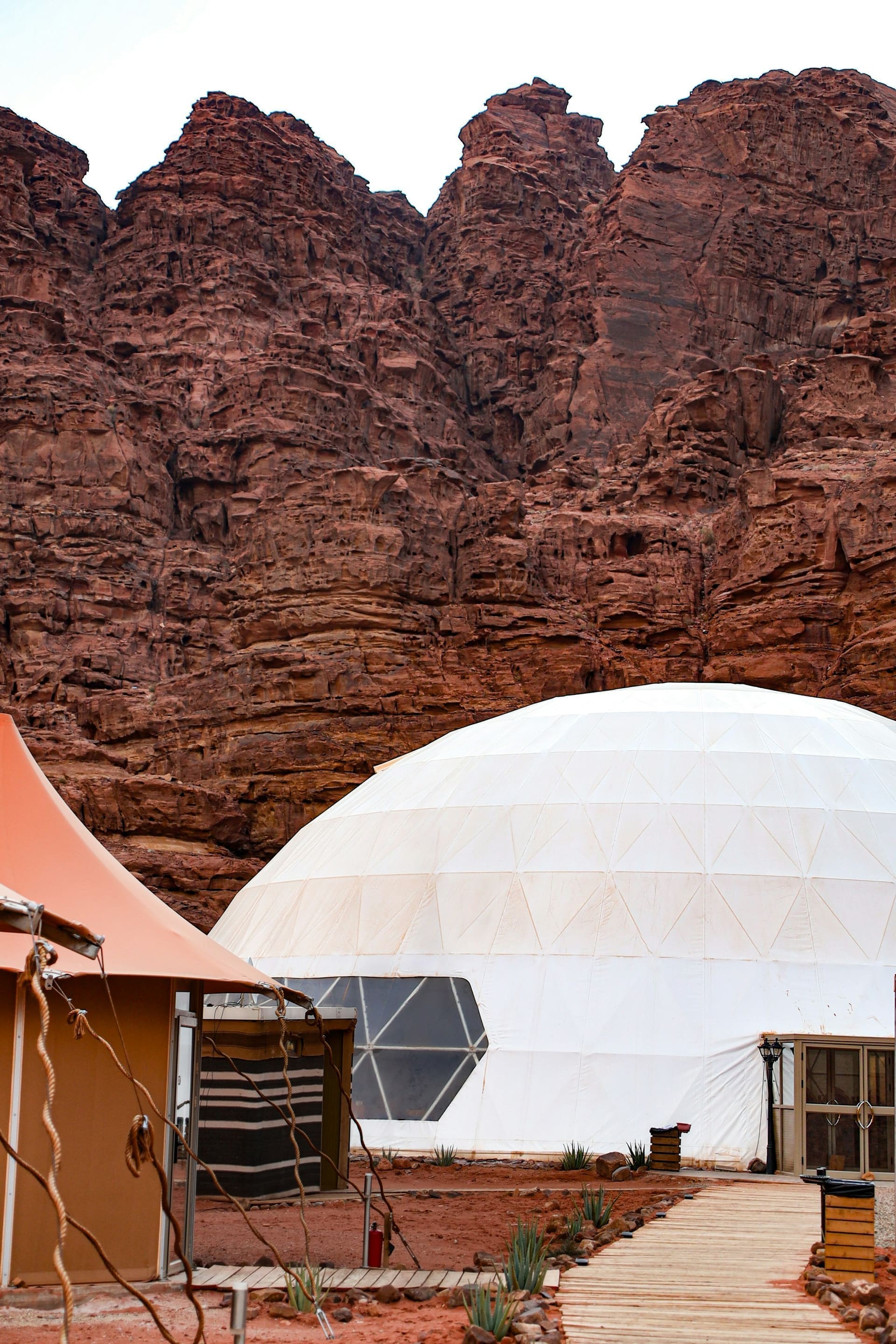
Luxury vs Standard Safari
The AED 1,096 gap between the AED 199 standard floor and the AED 1,295 heritage package itemises across the vehicle, the camp floor, the dinner format, the licensed bar, the photographer, and the DDCR access.
Read the comparisonLocation
Which dune system to book, and what each one is known for
Four location questions cover the three dune systems most operators actually run. Lahbab carries the volume; Al Marmoom carries the wildlife; the Dubai Desert Conservation Reserve carries the licensed luxury bookings. Al Awir is the drive-time shortcut from central Dubai.
Lahbab vs Al Marmoom
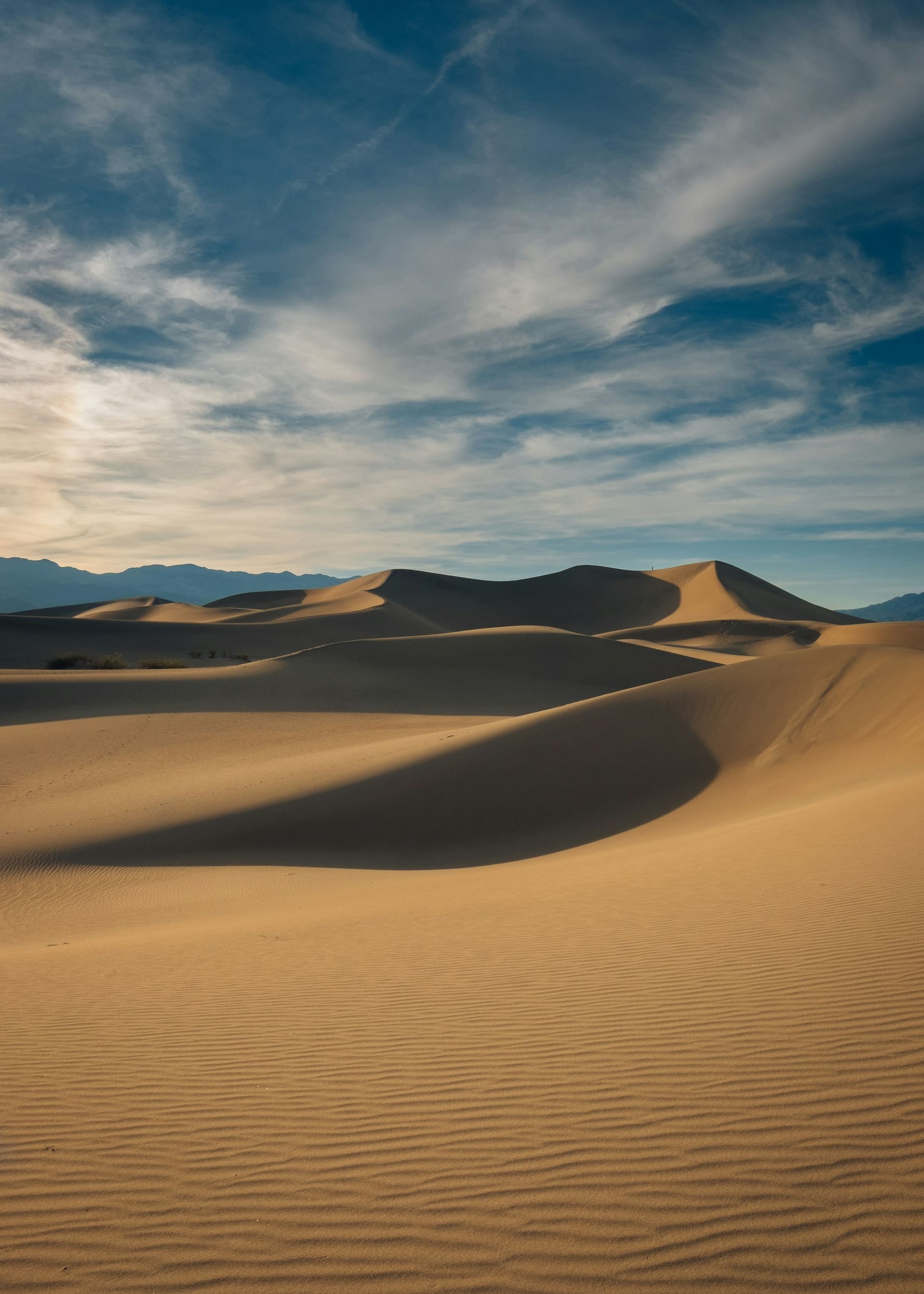
Lahbab is the iconic red-dune photograph every operator runs on its homepage. Al Marmoom is the unfenced reserve where Arabian oryx, gazelle, and desert fox sightings are actually likely. Pick by what you want in the frame.
Read the comparison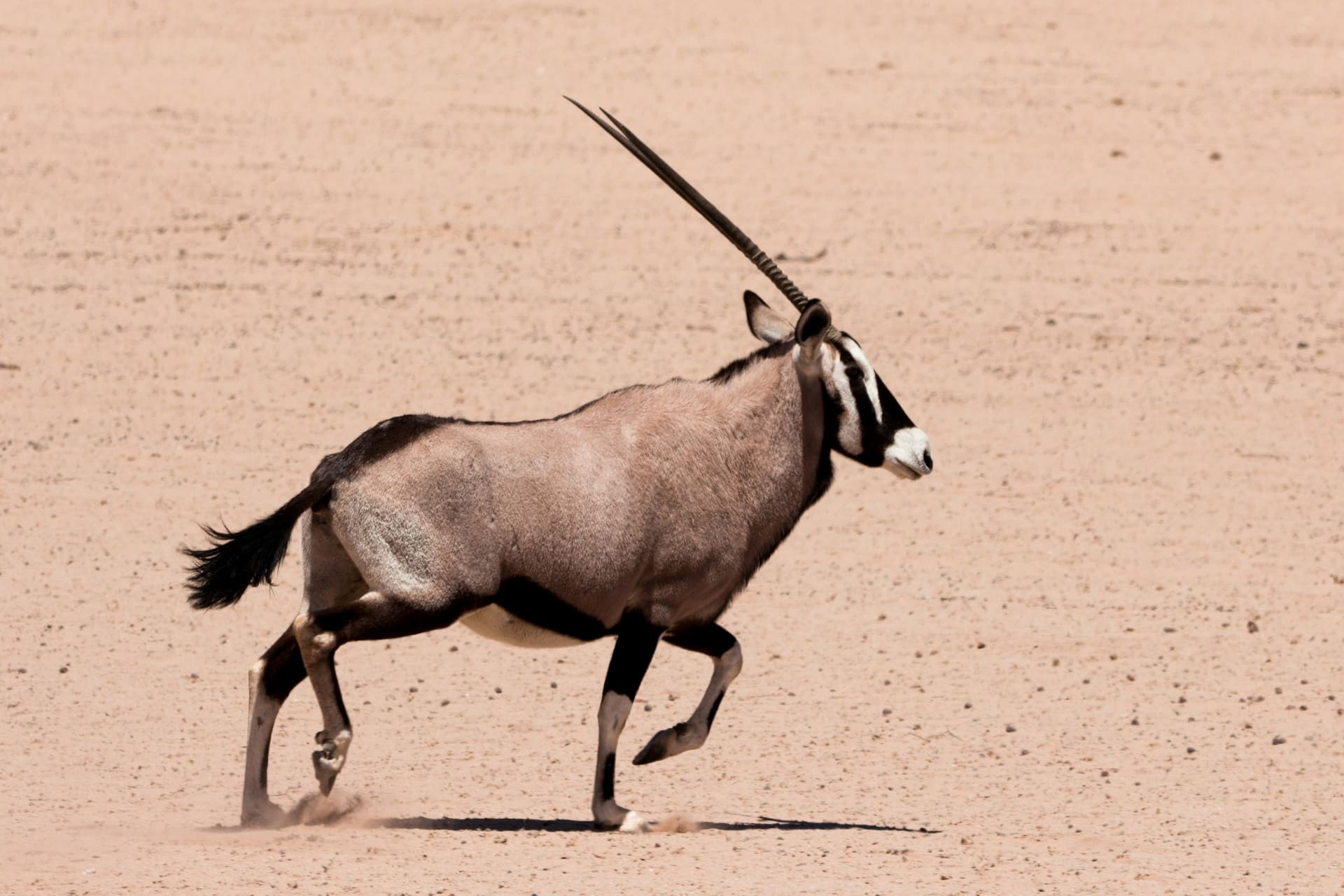
Lahbab vs Dubai Desert Conservation Reserve
Lahbab is a public-access desert with an AED 199 floor and unrestricted driving lines. The DDCR is permit-only at AED 695 minimum with capped vehicle counts and a small set of licensed luxury operators. Same emirate, different bookings.
Read the comparison
Lahbab vs Al Awir
Al Awir cuts 20 minutes off the drive from central Dubai. Lahbab gives you the taller dune profile and the cleaner photo line. Drive-time wins for tight schedules; dune quality wins for the photo set.
Read the comparison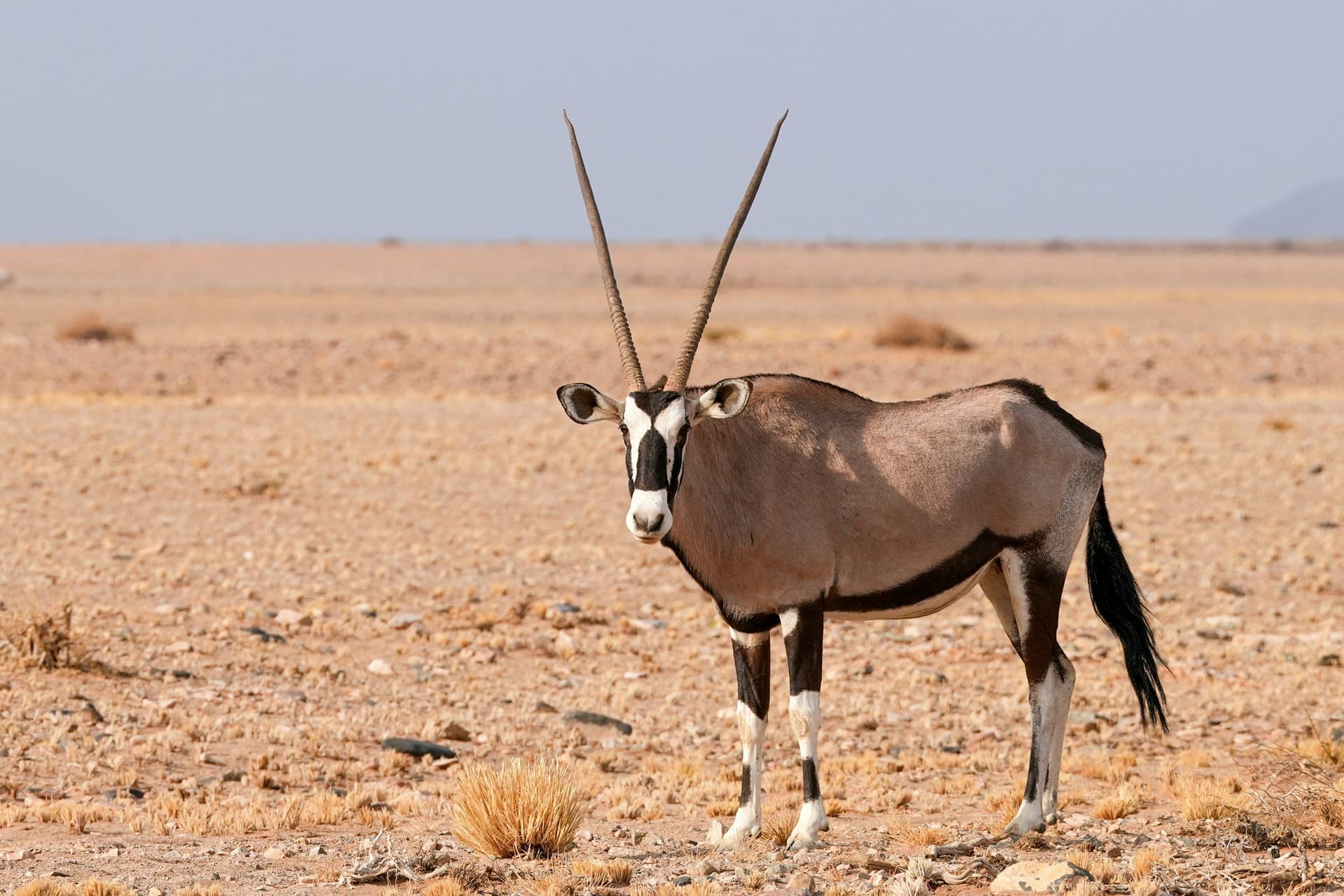
DDCR vs Al Marmoom
The DDCR is gated luxury, 225 km² of capped-quota access and a chef-curated 4-course dinner at a premium in-reserve camp. Al Marmoom is eco-access at AED 350 with certified eco-operators and the larger unfenced wildlife corridor.
Read the comparisonEmirate
Dubai or Abu Dhabi for a UAE-wide trip
One emirate-level question carries the rest of the routing for travellers planning a UAE-wide trip. Dubai works for a single evening on a tight calendar; Abu Dhabi works for the bigger dune face on a two-night minimum.
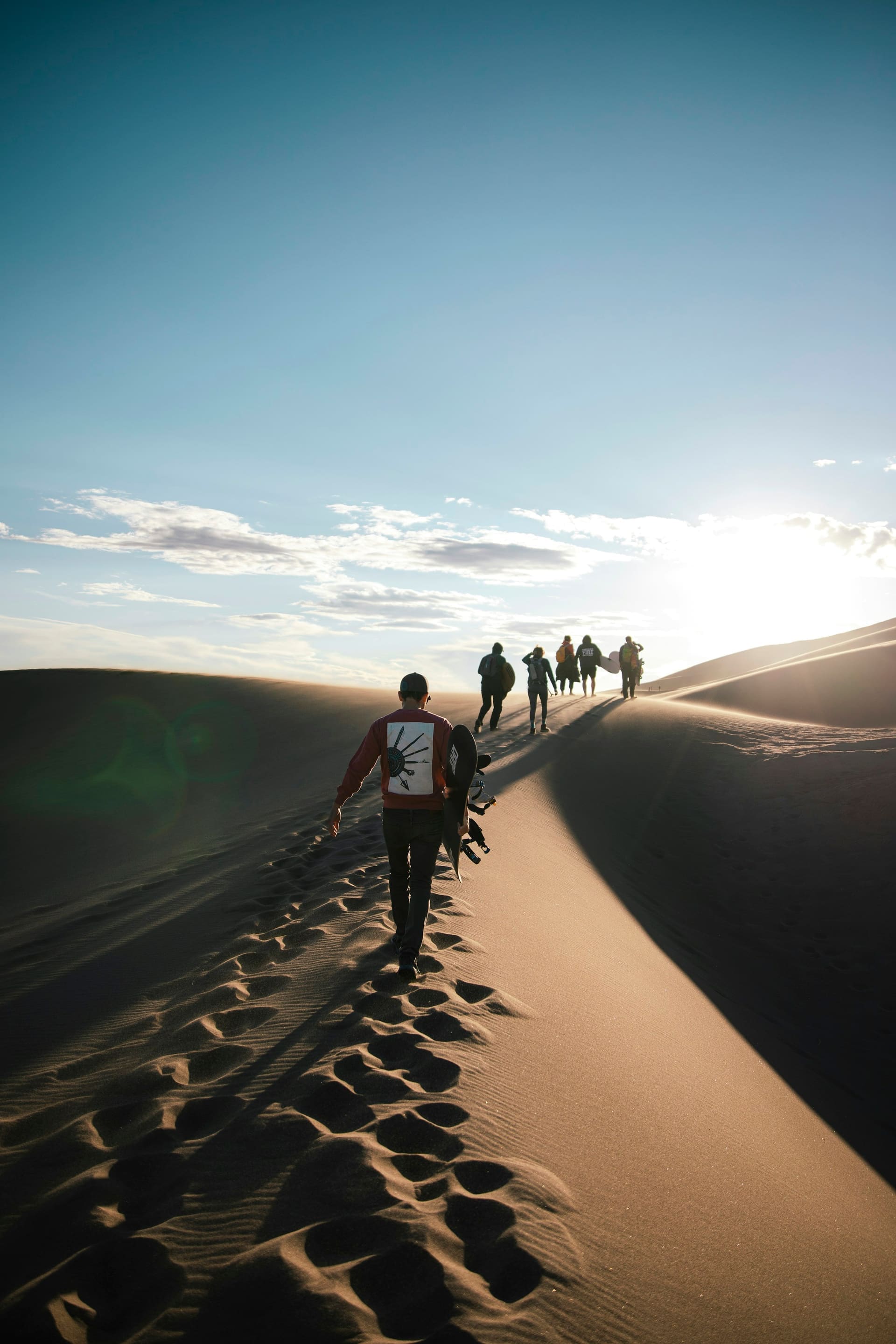
Five formats, five photographs
What the dune looks like across five formats
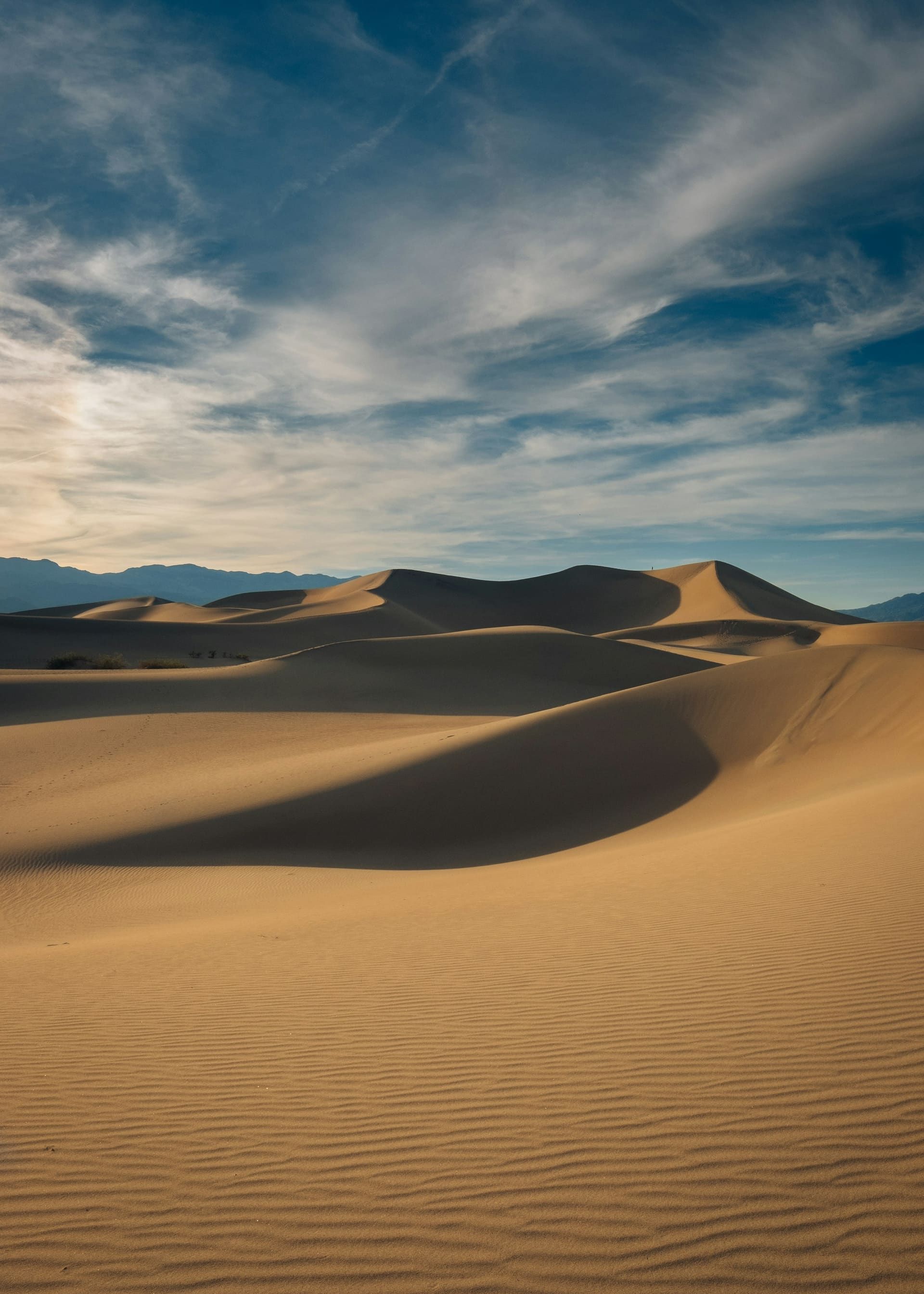
The golden Lahbab ridge for the standard evening, the Milky Way over an overnight camp, the convoy line for the shared booking, the gold-rim sukkat tent at the heritage package, and the crescent footprint at Liwa scale. Each comparison page carries its own photo set; this is the cross-package sampler.


How the desk routes a booking
Decision rules we use when routing every booking
A WhatsApp message arrives with a date, a traveller mix, and a priority. The desk runs the same five-rule routing sequence every time: price floor by traveller-mix sensitivity, dune system by photo intent, vehicle by group size, camp by alcohol or dinner format, overnight upgrade by calendar slack. The 9 comparisons on this hub are the long-form version of that routing. Same logic, more words, written so a traveller can read the trade-off before the chat opens.
- Price floor by sensitivity pregnancy, motion-sickness, mobility, sets the floor at AED 199 or AED 350
- Dune system by photo intent Lahbab for the iconic frame, Al Marmoom for the wildlife frame, DDCR for the luxury frame
- Vehicle by group size shared 6-seat Land Cruiser below five travellers, private charter at five and above
- Camp by dinner format dry buffet at AED 149 to 199, plated 3-course at AED 350 to 595, licensed bar at AED 1,295
- Overnight by calendar slack Lahbab evening for one slot, DDCR overnight for the full day off
Questions travellers ask before picking a safari
-
Which Dubai desert safari should I pick if I have one evening?
Evening safari at the AED 199 standard or AED 350 VIP private-table package is the right pick for a single Dubai evening. The format bundles a 3 PM hotel pickup, the dune-bashing segment on the Lahbab line, the sunset ridge stop, the desert camp arrival, the cultural lineup, and a buffet or plated BBQ inside a 6-hour window that lands you back at the hotel by 9:30 PM. The morning safari is the right pick when you fly out late the same day, when the traveller is pregnant or motion-sensitive, or when you want photographs on a cooler dune face. The overnight package needs a full day off the hotel calendar. -
Is a private safari worth the price for two travellers?
No, not for two travellers on price alone. The break-even point sits at six travellers on the private 4x4 charter at AED 1,194, the vehicle's full capacity; below that, the shared evening at AED 199 per person is the better AED math. Two travellers who want a private vehicle without paying the private-charter premium step up to the AED 595 evening VIP private Land Cruiser instead, which reserves the whole 4x4 at a per-person rate. The private charter wins outright at six or more, and wins on rhythm control and pickup convenience below that for photography bookings and proposal bookings that need the discreet driver brief. -
Should I drive to Liwa for the bigger dunes?
Only on a two-night minimum. Liwa Crescent in Abu Dhabi has the largest dune in the UAE at 300 metres on Moreeb Hill, and the dune profile is materially different from the Lahbab 100-metre red dunes outside Dubai. The drive is 2 hours 30 minutes from central Abu Dhabi and 4 hours from Dubai Marina, which makes a Liwa day-trip impractical. Liwa works as a two-night base out of Tilal Liwa or Qasr Al Sarab, both of which carry their own overnight safari packages. For a one-evening Dubai trip, the Lahbab line at 45 minutes is the right answer. -
What is the cheapest legitimate Dubai desert safari?
The AED 149 shared evening safari at the Lahbab dune system is the legitimate floor in 2026. Anything below that typically routes through an unlicensed operator without the DET tour-operator license, the RTA Safari Driving Permit, the vehicle dune-bashing certification, the Federal Tax Authority TRN, or the public liability insurance schedule. The AED 149 floor covers hotel pickup, the Land Cruiser dune segment, the BBQ buffet, the cultural lineup, and the henna station. Add-ons (shisha at AED 50, quad biking from AED 120, professional photography at AED 200 to 500) are paid extras at the camp. The AED 199 package swaps the buffet for a 3-course plated BBQ and the AED 350 package adds the private-table setup. -
How do I compare DDCR-level safaris when so few operators access the reserve?
The small set of licensed Dubai Desert Conservation Reserve operators, including Arabian Adventures and Platinum Heritage, splits into two practical price levels. The AED 695 to AED 1,295 band covers the half-day and dinner-camp experiences with chef-curated dining, the falconry interaction, and vintage Land Rover transfers on the heritage routes. The AED 2,200 and above band covers the overnight formats. The DDCR comparison page indexes each operator against the same six attributes so the AED gap is visible at a glance. -
Why is there a 9-comparison count instead of a single matrix table?
A single matrix would force eight wrong answers onto every traveller. The 9 comparisons match the four most-asked format questions (morning vs evening, evening vs overnight, private vs shared, luxury vs standard), the four most-asked location questions (Lahbab vs Al Marmoom, Lahbab vs DDCR, Lahbab vs Al Awir, DDCR vs Al Marmoom), and the single emirate-level question (Dubai vs Abu Dhabi). Each comparison runs as a standalone page with its own AED math, its own scenario routing, and its own verdict, the matrix collapses that nuance into a checkmark grid that does not survive the first follow-up question.