Location hub
Dubai desert safari locations: Lahbab, Al Marmoom, DDCR and more
Six named dune systems carry the bulk of UAE desert tourism. Each one changes your drive time, the dune profile, the wildlife you can photograph, and the AED you spend. Pick the location first, then the package.
Location facts
Six dune systems, one emirate
- 6
- Named dune systems
- Across the emirate of Dubai
- 25 to 65
- Minutes from Marina
- Al Awir closest, DDCR furthest
- 149 to 2,500
- AED floor range
- Lahbab budget to DDCR luxury
- 158
- Bird species at Al Qudra
- Plus 26 mammals in Al Marmoom
Pick by drive time, dune profile, AED floor
The six named Dubai dune systems
Every card opens onto its own location guide with the operator list, the wildlife checklist, and the AED package table. Read the dune system first, then book the full safari.
-
Lahbab desert
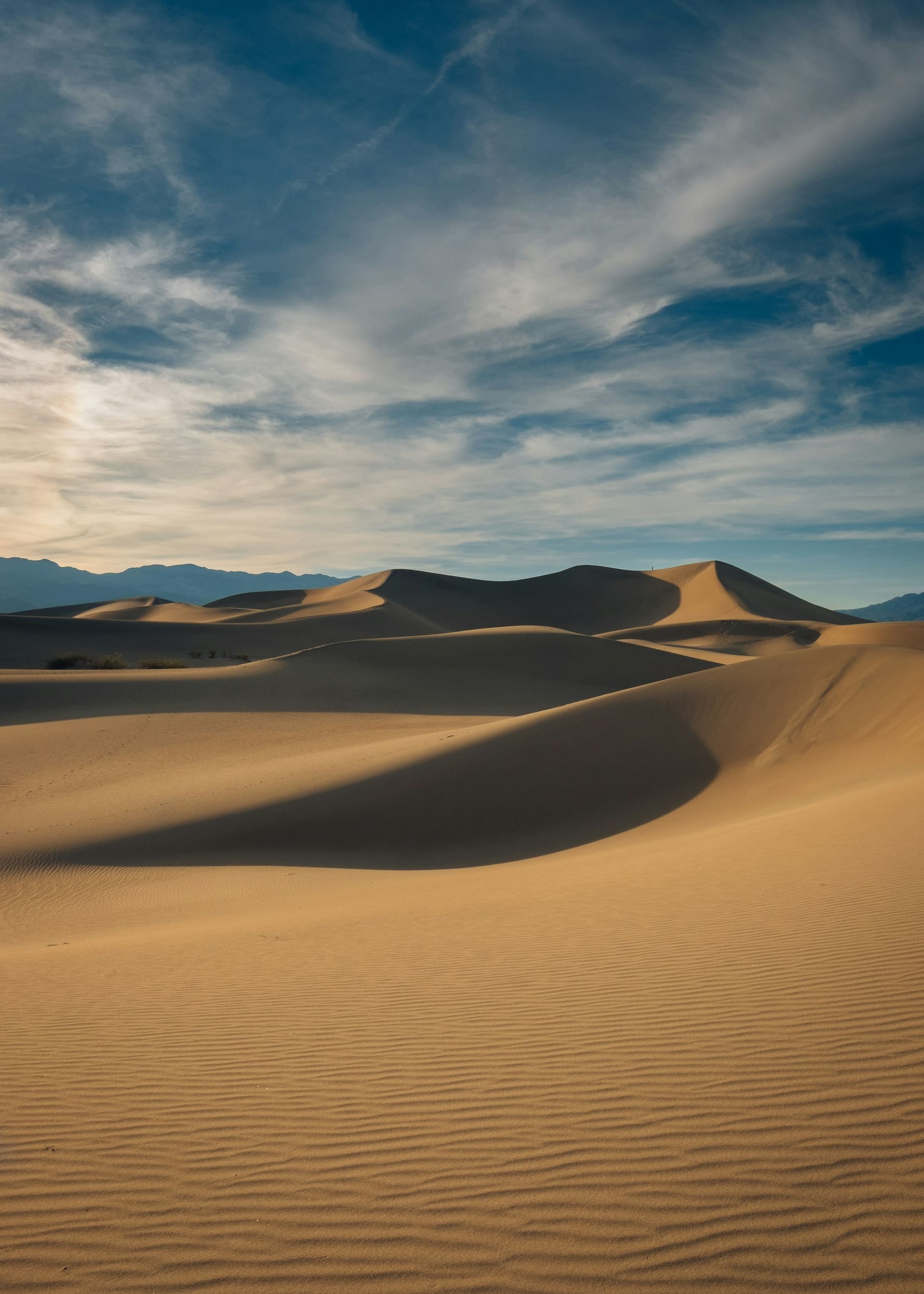
The iconic iron-oxide red-dune system off the E44 toward Hatta. Crests run 60 to 100 metres at Big Red. The default route for AED 149 to 500 evening safaris.
Wildlife signature: Falcon, camel paddocks
Read the Lahbab desert guide
-
Big Red Dune
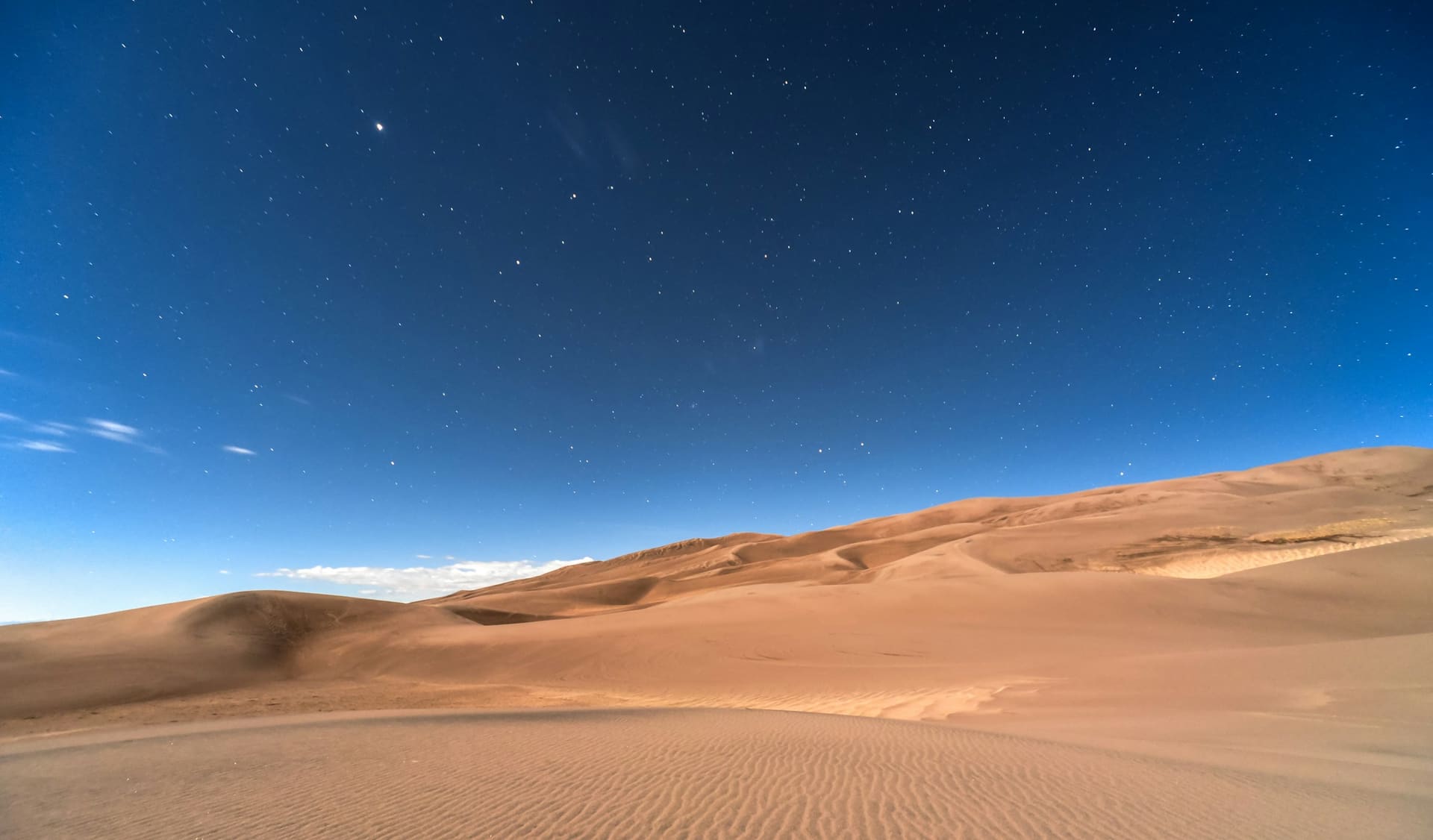
The 100-metre crest landmark inside the Lahbab system, signposted off the E44. Self-drive accessible weekends; the geological reference point for the Dubai red-dune photograph every operator uses.
Wildlife signature: Self-drive access
Read the Big Red Dune guide
-
Al Awir desert
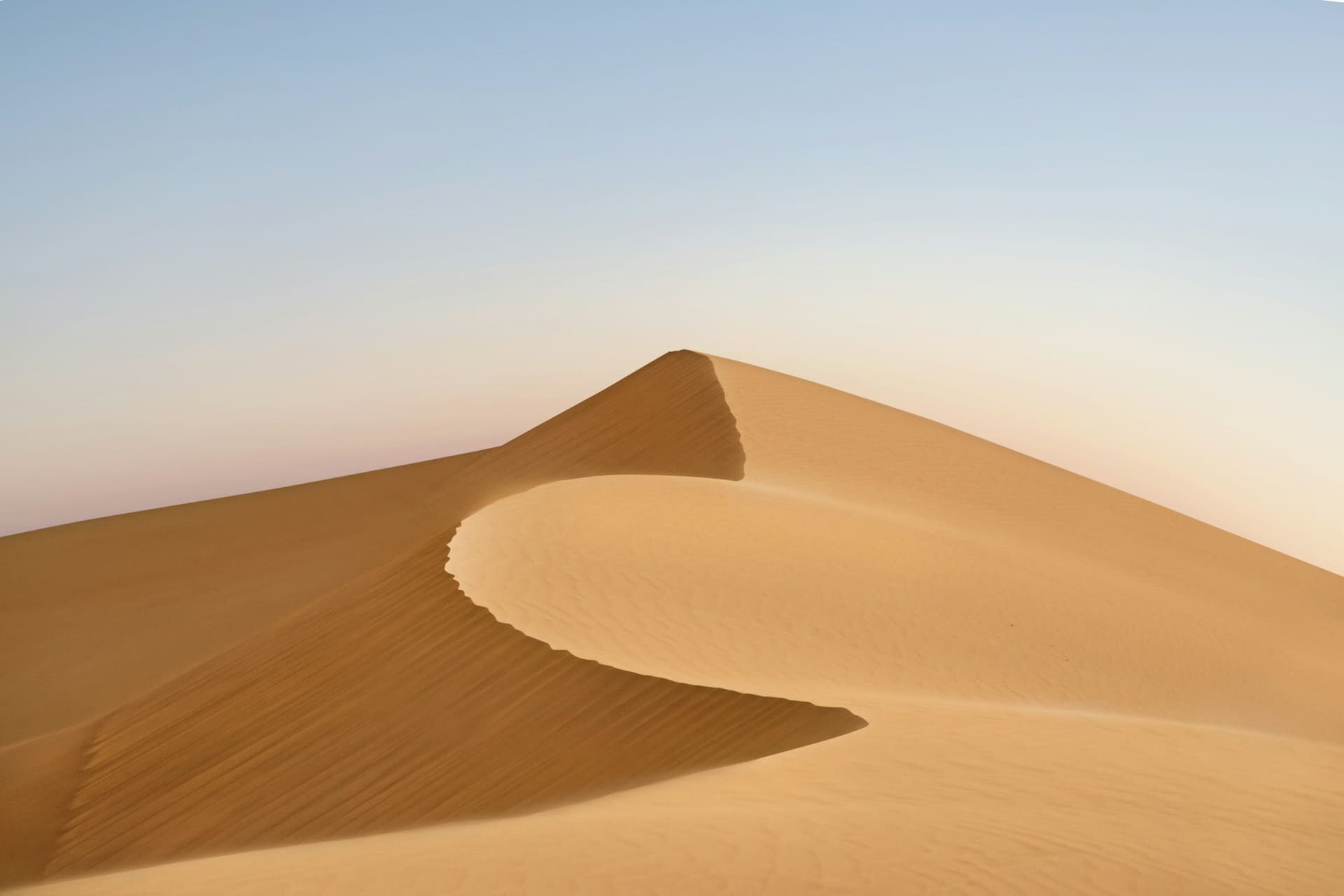
The closest commercial dune system to Dubai Marina, used when operators shorten pickup windows. Tan-amber sand, lower 20 to 40-metre crests, AED 149 to 199 budget evening tariff.
Wildlife signature: Light, mostly insects
Read the Al Awir desert guide
-
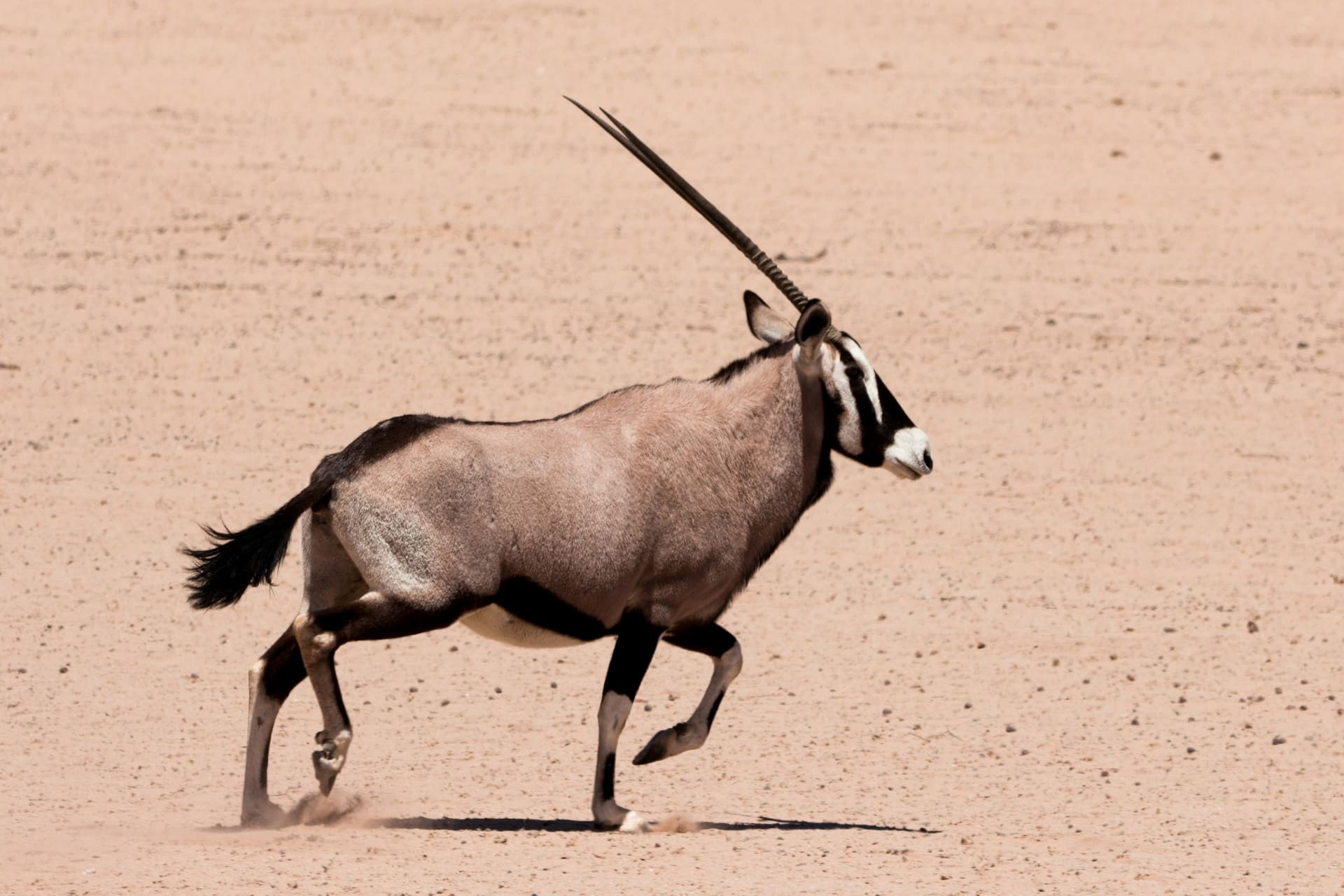
Al Marmoom Desert Reserve
10% of Dubai land set aside for wildlife conservation, holding 26 mammal species and 158 bird species. Four eco-certified operators run quiet conservation-led routes from AED 350.
Wildlife signature: Oryx, gazelle, 158 bird species
Read the Al Marmoom Desert Reserve guide
-
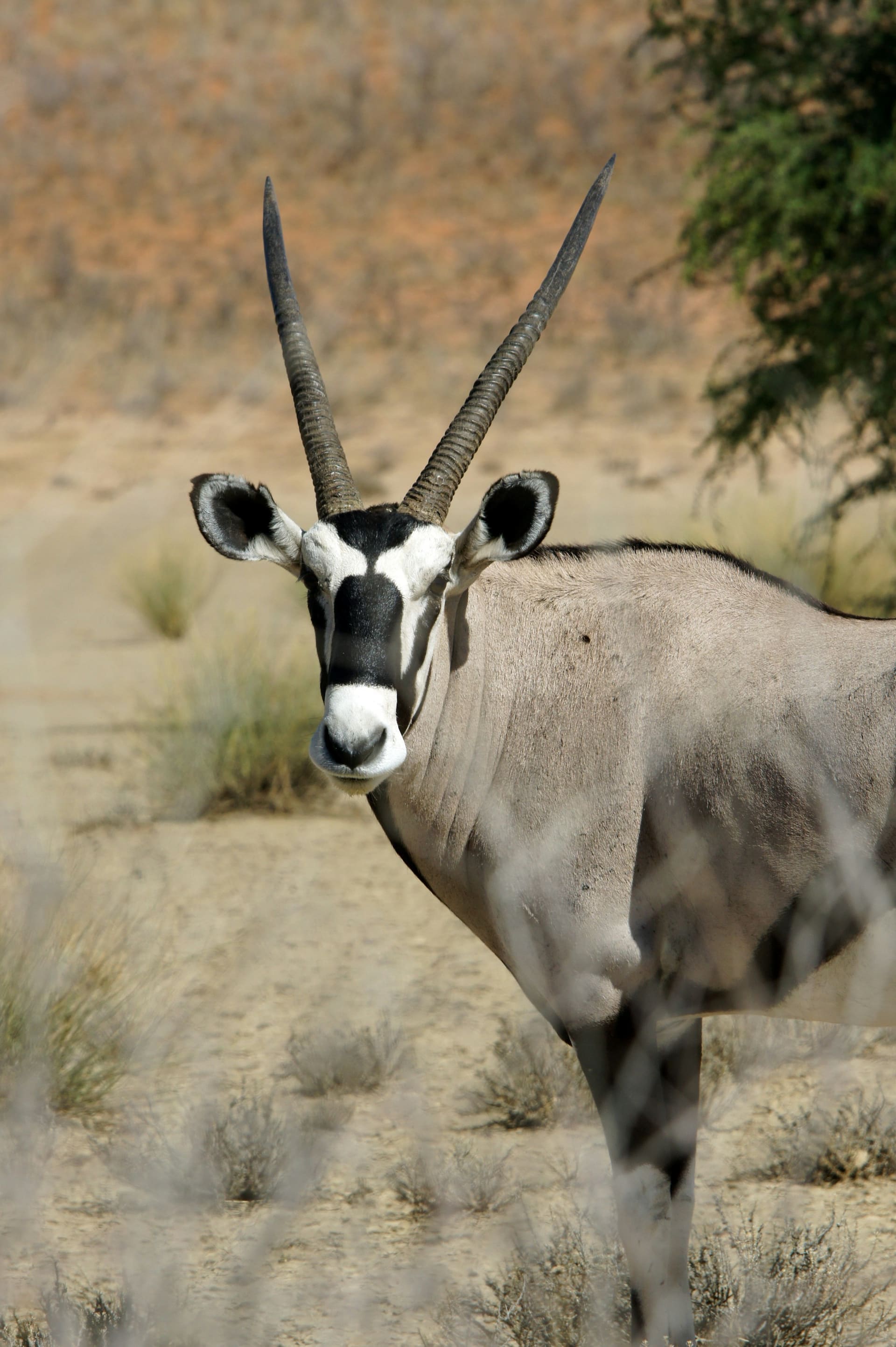
Al Qudra Lakes
Man-made solar-pumped freshwater lakes inside the Al Marmoom Reserve. Free public access, no permit, no entrance fee. The cheapest desert sunrise in Dubai and the bird-photography hotspot.
Wildlife signature: 158 bird species, free public
Read the Al Qudra Lakes guide
-
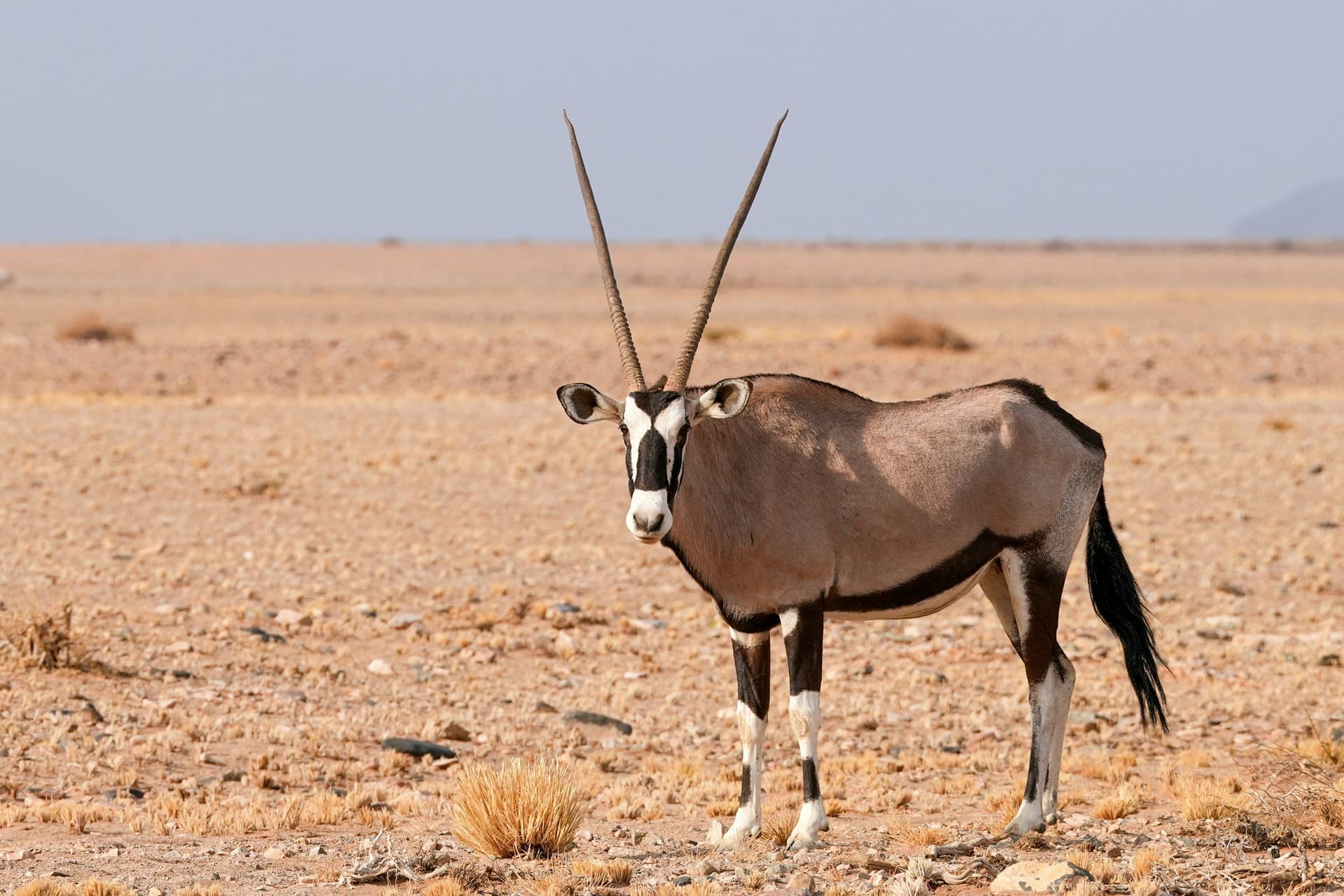
Dubai Desert Conservation Reserve
The 225 km² permit-only protected zone, 5% of Dubai land. Six licensed luxury operators access it: Platinum Heritage, Arabian Adventures, Royal Shaheen among them. Holds the largest unfenced Arabian oryx population in the UAE.
Wildlife signature: 90% of UAE oryx population
Read the Dubai Desert Conservation Reserve guide
Lahbab vs Al Marmoom vs DDCR
The three reference dune systems, side by side
The five planning variables that change between the three big systems. Big Red, Al Awir, and Al Qudra fold into Lahbab and Al Marmoom respectively.
The dunes, in five frames
Five frames across the Dubai dune systems
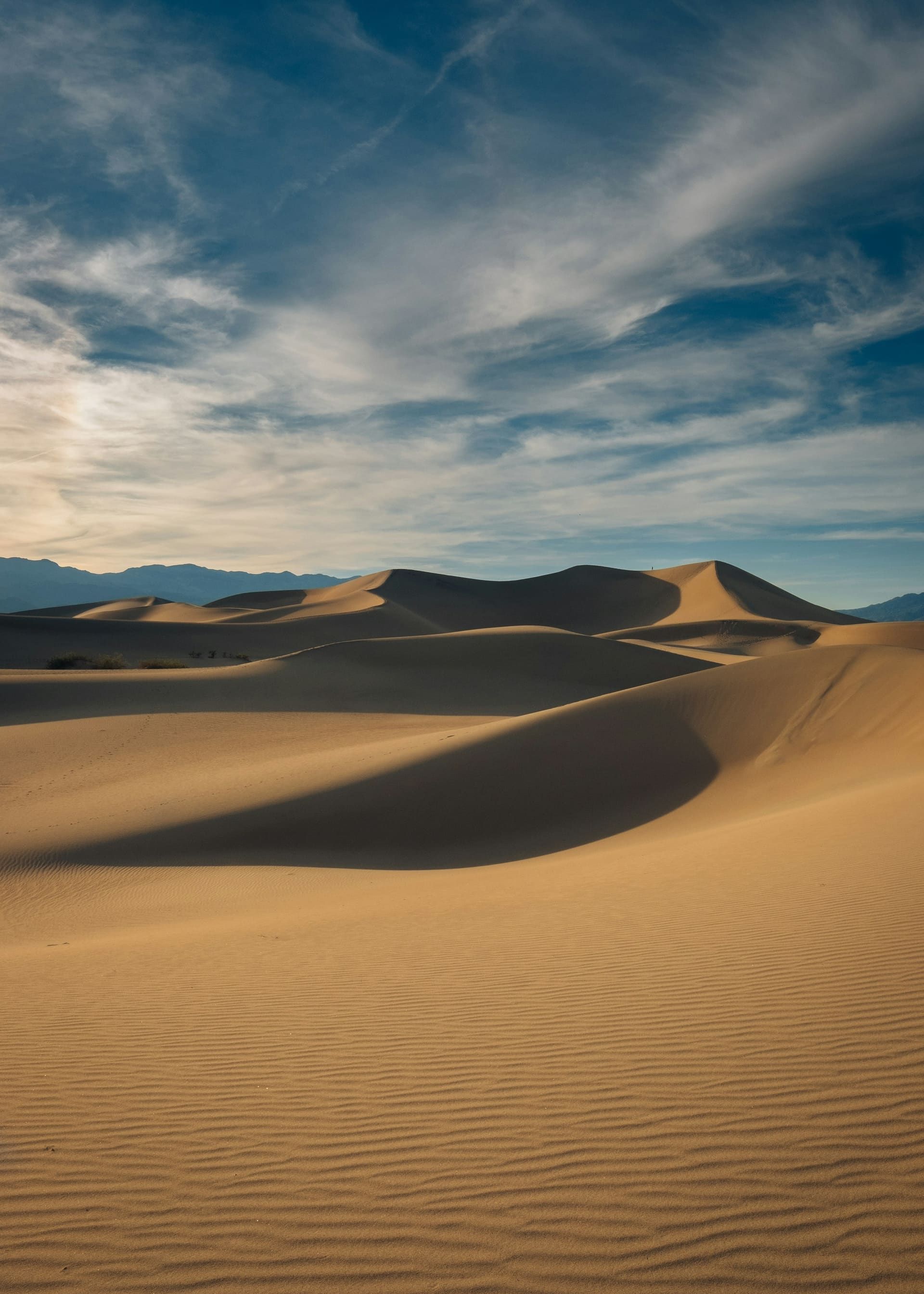
The visual range across the six systems, iron-oxide ridge, conservation grassland, oryx pasture, wind-shaped sub-feature, protected reserve.


Why we name the dune system
The four planning variables the dune system controls
A generic Dubai desert safari booking hides four planning variables the editorial desk thinks should be on the surface: the drive time, the dune profile, the wildlife inventory, and the AED floor. Two of those swing by a factor of two; one swings by a factor of twenty-five. The dune system is the variable that controls them.
- Drive time swings 25 to 65 minutes Al Awir nearest, DDCR furthest, Lahbab the standard 45-minute middle
- AED floor swings from free to 2,500 Al Qudra free public, Lahbab AED 99, DDCR luxury AED 2,500 ceiling
- Wildlife swings from falcon-only to oryx almost always Open public dunes carry no protected megafauna; DDCR is the wildlife destination
- Dune profile swings from 20 m tan to 100 m red Al Awir flat tan vs Big Red iron-oxide 100-metre crest
Frequently asked questions about picking a Dubai dune system
-
Which Dubai dune system is closest to the Marina?
The Al Awir desert sits closest at roughly 25 minutes east on the Dubai-Al Ain road, used when an operator shortens its pickup window. The classic red-dune system at Lahbab sits 45 minutes east on the E44 toward Hatta. The protected Dubai Desert Conservation Reserve is the furthest at about 65 minutes east off the Al Ain Road. -
Where can I see Arabian oryx on a Dubai safari?
The Dubai Desert Conservation Reserve holds the largest unfenced Arabian oryx population in the UAE, with oryx almost always in frame on a morning game drive with one of the six licensed operators. The Al Marmoom Desert Reserve is the open-access alternative, with oryx and Arabian gazelle confirmed across 26 mammal species and 158 bird species. The public-access Lahbab dunes carry occasional falcon and camel paddocks at the edge but no protected megafauna. -
What is the cheapest dune access in Dubai?
Al Qudra Lakes sits at the floor of the price ladder: free public access, no permit, no entrance fee. Park at the lakes, walk to the dune line, photograph the sunrise. The cheapest commercial safari floor is AED 99 at Al Awir or Lahbab; the cheapest reserve-level safari is AED 350 at Al Marmoom; the luxury reserve floor sits at AED 695 inside the DDCR. -
Which dune system does the standard AED 199 evening safari use?
Most standard-package and premium-package evening safaris drive into the Lahbab dune system. The classic "red dunes of Dubai" photograph every operator puts on its homepage was almost certainly shot in Lahbab, often inside a 2-kilometre radius of Big Red. Short-pickup operators occasionally substitute Al Awir when traffic eastbound is heavy. -
Why does the BookMySafari editorial desk name the dune system before the booking?
The dune system changes the drive time (25 to 65 minutes from Marina), the dune profile (low tan in Al Awir vs 100-metre red crest at Big Red), the wildlife inventory (none guaranteed at Lahbab vs oryx almost always inside the DDCR), and the AED floor (99 vs 2,500). A generic "Dubai desert safari" booking made without the location named hides four planning variables, all of which affect the experience and the cost.

Booking by location
Tell us the dune system. We route the operator.
WhatsApp the editorial desk with the dune system you want and your dates. We route you to the matching operator and package inside one chat, Lahbab, Al Marmoom, or the DDCR, with the AED floor confirmed in writing before you pay.