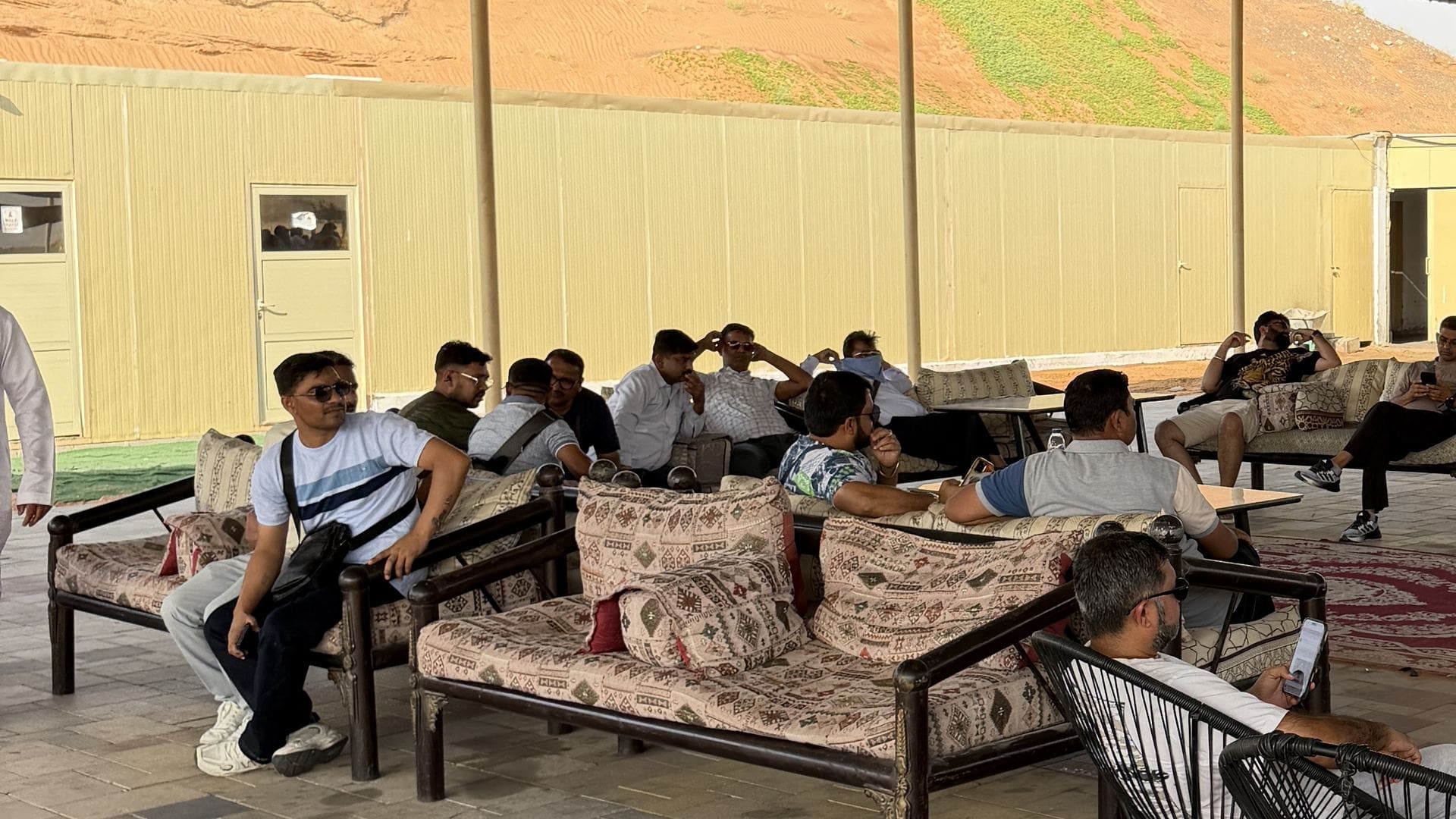
The majlis at a desert camp: what it is and how to sit in one
What a majlis is and why UNESCO lists it
A majlis is a sitting place. The word means a council or assembly in Arabic, and UNESCO's entry describes majlis as places where community members gather to talk about local events, share news, host guests, socialise and be entertained. The same entry says the space is used to settle problems, offer condolences and hold wedding receptions, and that it is open to family, tribes and neighbours from near and far.
UNESCO inscribed "Majlis, a cultural and social space" in 2015. The UAE, Saudi Arabia, Oman and Qatar applied together. The entry names elders as the true bearers of the practice, especially those who know nature, genealogy and tribal history, and it gives judges and religious sheikhs a special place because they settle disputes and explain rights and responsibilities.
A majlis also passes on knowledge. UNESCO lists folk stories, folk songs and Nabati poetry among the oral heritage carried there, and says children learn by sitting with adults, picking up manners, listening skills and respect for other people's opinions. This guide covers the room and how to behave in it. The tribes, the history and the coffee ritual sit in Bedouin culture in the UAE.
How a majlis is laid out, in a house, a tent or the open air
A majlis is typically a large room with carpets on the floor and cushions along the walls, and a stove or fire is usually kept ready for coffee and other hot drinks. Abu Dhabi Culture adds that majalis, the plural, met in many settings beyond the house, and the table lists them.
| Setting | Form it took | Source |
|---|---|---|
| A room in a house | Large room, carpets on the floor, cushions along the walls, stove or fire for coffee. | UNESCO, majlis entry |
| A tent | The bait al-she'r, the "house of hair". | Abu Dhabi Culture |
| The open air | Outdoors, around fires. | Abu Dhabi Culture |
| A coastal town | Plaster and mud structures, arbours, or simple canvas for shade. | Abu Dhabi Culture |
| The mountains | A special guesthouse or another gathering place. | Abu Dhabi Culture |
| A boat | A venue for sailors and divers. | Abu Dhabi Culture |
Two of those rows matter for a desert trip. The tent and the open-air fire are the two desert forms in the table, and they are the two a camp can reproduce.
Three kinds of majlis and the work each one did
Abu Dhabi Culture names three historic kinds of majlis. Each had a different host and a different job, and the table sets them side by side.
| Kind | Run or attended by | What happened there | Timing |
|---|---|---|---|
| Barza | Elders, chieftains and sheikhs. The host is the barez while presiding. | The host hears complaints and demands and looks for a solution. | Not stated. |
| Merchants' majlis | Open to all, especially pearl divers. | Raising funds for voyages, securing basic food, sea stories, disputes, storytelling and poetry. | Busiest near the end of the pearling season, when pearl prices were negotiated. |
| Justice majlis | Held by legal experts. | Shari'a judgments, often on cases passed up from the barza and merchants' majalis, and religious education. | Early morning until noon prayer, and again from the afternoon prayer to sunset. |
The host carried the cost. Abu Dhabi Culture says the owner of the majlis or guesthouse paid for hospitality, though tribe members sometimes contributed, and that coffee was served to everyone who came. Modern governments in the region later borrowed the word for councils and legislatures, which is why "majlis" appears in news about parliaments as well as in guides to heritage.

Who sits in a majlis, and where women fit
Anyone from the community can sit in a majlis, and the elders lead it. UNESCO says the practice is open to all, with elders, judges and religious sheikhs holding the most weight. Abu Dhabi Culture describes the atmosphere the discussion aims for as honesty, openness, freedom and ingenuity.
Women have their own majlis, according to UNESCO. Some prominent women also attend other majlis, particularly the academic or literary ones. Seating in a home varies by host, so a guest goes where the host sends them.
How coffee and dates are served in a majlis
Dates come first and coffee follows. A server works from the right, an elder is served before anyone else, and the cup goes in and out of the right hand. The table sets out what three sources say on each point.
| Point | What the sources say | Source |
|---|---|---|
| Dates | Served before the coffee, because the coffee cleanses the palate afterwards. They come as a pair. | Ahmed Al Jaffla, Gulf News |
| Who is served first | Older people and guests first (UNESCO). A sheikh or older person first, then the server continues to the person on that person's right (Gulf News). Serving runs from right to left, with elders given preference (Ras Al Khaimah). | UNESCO; Gulf News; Ras Al Khaimah Tourism Development Authority |
| Which hand | Pour with the right hand (UNESCO). Hand the coffee over with the right hand, even if left-handed (Gulf News). Guests accept and return cups with the right hand (Ras Al Khaimah). | UNESCO; Gulf News; Ras Al Khaimah Tourism Development Authority |
| How full | About halfway, with a quarter acceptable. A full cup suggests the guest is unwelcome. | Ahmed Al Jaffla, Gulf News |
| How many cups | No limit. The server keeps refilling until the guest signals. | Ahmed Al Jaffla, Gulf News |
| Saying enough | Shake the cup. UNESCO says to shake it, Gulf News says to shake the cup gently, and Ras Al Khaimah says to shake it side to side. | UNESCO; Gulf News; Ras Al Khaimah Tourism Development Authority |
| Declining | Accepting is polite and declining can seem rude (Ras Al Khaimah). Refusing can signal that something is wrong between host and guest, and the host may follow up (Gulf News). | Ras Al Khaimah Tourism Development Authority; Gulf News |
The sources agree on the right hand, on elders first and on the cup shake. They differ only in wording: how the shake is made, and whether the server starts from the right of the room or moves right to left.
One number differs from another guide on this site. Al Jaffla says there is no limit on cups, while Bedouin culture in the UAE gives three rounds as the customary limit. Hosts differ, so take a refill when it is offered and follow the server.
Seven manners for sitting in a majlis
These seven come from a tourism authority and a cultural centre, and each host sets the rules in their own majlis. The Sheikh Mohammed Centre for Cultural Understanding told Gulf News in 2018 that fixed lists of dos and don'ts get too much emphasis, and its general manager, Naseef Kayed, said he shakes hands with people while others may not. Treat each line as a default and follow the host.
- Take off your shoes and shake the host's hand on arrival, in a home (Ras Al Khaimah Tourism Development Authority, 2022).
- Greet from the right, starting with the elders, and shake the host's hand again before you leave (same source).
- Stand when someone enters the room (same source).
- Avoid squatting or crossing your knees. The source calls both arrogant postures.
- Keep your feet from pointing toward anyone. The source calls turning your feet toward a resident of the UAE disrespectful.
- Use your right hand for the cup and for food. The source calls offering food with the left hand impolite.
- Accept the coffee, then shake the cup gently when you have had enough.
Clothing has its own page in What to wear on a Dubai desert safari.
What a majlis means at a desert camp
At a desert camp, "majlis" names a seating area. It borrows the form of the real thing, and the tent and the fire from the settings table are the parts a camp can reproduce.
A host's majlis is a different thing. In a traditional one a family or tribe receives guests, an elder leads, and the owner pays for hospitality, as Abu Dhabi Culture describes. At a camp, staff host guests as part of a booked package. The manners above still read as courtesy there, and the staff set the rules for their camp. No source used for this guide describes how Dubai camps serve coffee, so the order in the table can differ.
BookMySafari makes no promise about seating on any package in this guide. Seating at the table is set on the package page, and the evening safari page lists what that package includes. The camp walk-through is in What to expect on your first Dubai desert safari. If a seat on the floor or a chair matters to you, ask the desk before you book.

Where to sit in a majlis-style setting in Dubai
The Sheikh Mohammed bin Rashid Centre for Cultural Understanding runs its programme from House 26 in the Al Fahidi Historical Neighbourhood, Bur Dubai. Its site says guests at its cultural meals sit in the courtyard on traditional floor cushions, with Arabic coffee, dates and local dishes, and that a meal runs about an hour and a half. It also lists a Jumeirah Mosque visit; guests register at its majlis across from the mosque, with a light breakfast of Arabic coffee and tea.
The site lists office hours of 8 am to 8 pm, Monday to Sunday (checked 23 October 2026). Prices and booking dates sit on the centre's own pages, and this guide quotes none.
Ask the desk about seating at the camp
Send your date and hotel on WhatsApp and ask what the camp can tell you. The desk tells you which package fits and answers what it can about the camp. Bookings on this page are fulfilled by Velari Tourism L.L.C, DET license #1491675.
Message us on WhatsAppQuick answers
Frequently asked questions about the majlis
-
What is a majlis?
A majlis is an Arabic "sitting place": a room or open space where a community gathers to talk, share news and host guests. UNESCO lists it as "Majlis, a cultural and social space", inscribed in 2015 after a joint application from the UAE, Saudi Arabia, Oman and Qatar. A traditional majlis has carpets on the floor, cushions along the walls and a stove or fire for making coffee. -
What does the word majlis mean?
Abu Dhabi Culture translates it as a council or assembly, and the Ras Al Khaimah Tourism Development Authority glosses it as a "sitting room". Both fit: the word names the room and the gathering held in it. Modern governments in the region use the same word for advisory and decision-making bodies, including legislatures. -
What is the difference between a majlis and a barza?
A barza is one kind of majlis. Abu Dhabi Culture describes it as a majlis run by elders, chieftains and sheikhs, where the host, called the barez while presiding, hears complaints and demands and looks for a solution. The same source lists two others, the merchants' majlis and the justice majlis. -
Do you take your shoes off in a majlis?
Yes, in a home. The Ras Al Khaimah Tourism Development Authority tells visitors to take off their shoes and shake the host's hand on arrival. At a desert camp, follow the staff, because the seating area may have its own rules for footwear. -
How do you sit in a majlis?
Avoid squatting or crossing your knees, which the Ras Al Khaimah Tourism Development Authority calls arrogant postures. The same page calls it disrespectful to turn your feet toward a resident of the UAE, and polite to stand when someone enters the room. -
How do you take coffee in a majlis?
Take the cup and hand it back with your right hand, and accept it when it is offered. Dates come before the coffee, and the server fills the cup about halfway, according to Ahmed Al Jaffla of the Sheikh Mohammed Centre for Cultural Understanding in Gulf News. He says there is no limit on cups: the server keeps refilling until you gently shake the cup, which UNESCO also lists as the sign that you are done. The Bedouin culture guide on this site gives three rounds as the customary limit, so follow your host. -
Can women go to a majlis?
Yes. UNESCO says women have their own majlis, and that some prominent women also attend other majlis, particularly academic or literary ones. Seating in a home varies by host, so go where the host sends you. -
Is the majlis at a desert camp a real majlis?
It is a seating area that borrows the form of one. In a traditional majlis a host, often an elder, receives guests and carries the cost of hospitality, as Abu Dhabi Culture describes. At a camp, staff host guests as part of a booked package. The manners above still read as courtesy there, and the staff set the rules for their own camp. -
Where can you sit in a majlis in Dubai without booking a safari?
The Sheikh Mohammed bin Rashid Centre for Cultural Understanding in the Al Fahidi Historical Neighbourhood, Bur Dubai, runs cultural meals where guests sit on traditional floor cushions in a courtyard with Arabic coffee and dates. Its Jumeirah Mosque visit has guests register at its majlis across from the mosque. Confirm times and prices with the centre; its site lists them.
